
A (welcome?) turn in the credit cycle


The first quarter of 2026 delivered something credit markets have not faced in some time: a funding liquidity shock. This reversal in fund flows looks less like the onset of a crisis and more like the early stages of a turn in the cycle. As we argue in our annual Credit Market Outlook, the balance of power within credit markets may shift decisively in favor of creditors, improving risk-adjusted returns on new underwriting but complicating refinancing for marginal borrowers.
At the center of this shift is the growing role of private credit, particularly BDCs and direct lenders, which have effectively become the marginal providers of deal finance. That status has made them the key transmission mechanism for changes in funding conditions to credit spreads and terms. Listed BDC discounts to NAV widened sharply in Q1-2026 (Figure 1), leading to the tightening of funding liquidity for their nontraded counterparts.
Figure 1: BDC discounts not explained by spreads, dispersion, or defaults

What is notable is that this tightening in funding liquidity has not been driven by a deterioration in macroeconomic fundamentals, a widening of credit spreads, or an increase in dispersion across credits. Instead, it reflects a more targeted shock tied to technology, specifically concerns around AI-driven disruption in the software sector. Loan prices and distress levels in software have repriced aggressively (Figure 2), even as aggregate default rates remain contained (Figure 3).
Figure 2: Shock originates in AI disintermediation risk
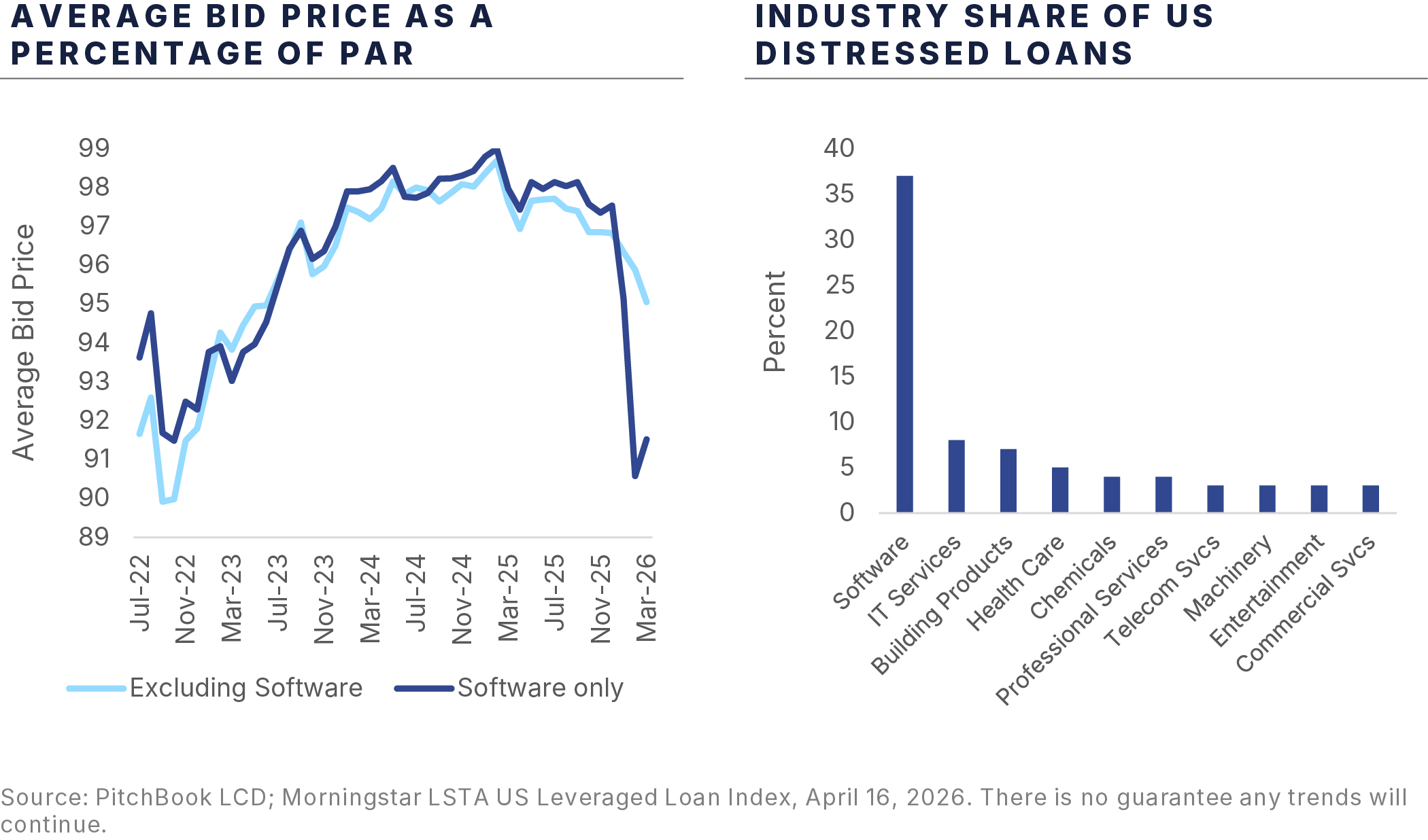
Figure 3: Default rates remain well behaved

This experience reinforces a broader lesson. Credit risk is not reducible to a single macro factor. Concentrated exposure to businesses with “sticky” revenue streams in a single market segment proved to be no substitute for true diversification across sectors, geographies, and market segments. Opportunities today extend well beyond traditional direct lending, including asset-backed finance, infrastructure, and regions where competitive dynamics remain more favorable (Figure 4).
Figure 4: Obvious benefits of geographic diversification

The credit cycle is turning, but it is doing so in an unconventional way. Understanding the interplay between liquidity, technology, and market structure will be essential in navigating what comes next.
For a deeper analysis, including our full framework and supporting data, we encourage you to read the complete report: 2026 credit outlook: This side of paradise.
Economic and market views and forecasts reflect our judgment as of the date of this presentation and are subject to change without notice. In particular, forecasts are estimated, based on assumptions, and may change materially as economic and market conditions change. Pacharbor Capital Group has no obligation to provide updates or changes to these forecasts. Certain information contained herein has been obtained from sources prepared by other parties, which in certain cases have not been updated through the date hereof. While such information is believed to be reliable for the purpose used herein, Pacharbor Capital Group and its affiliates assume no responsibility for the accuracy, completeness or fairness of such information. This material should not be construed as an offer to sell or the solicitation of an offer to buy any security in any jurisdiction where such an offer or solicitation would be illegal. We are not soliciting any action based on this material. It is for the general information of investors of Pacharbor Capital Group. It does not constitute a personal recommendation or take into account the particular investment objectives, financial situations, or needs of individual investors.